


Retirement Planning Remains Essential for Future Success
Most people picture retirement as a finish line, a moment when the saving finally stops and the living begins. That’s not reality. Retirement works more like a second career. It demands its own strategy, its own math and its own hard conversations. Financial experts say the biggest gaps come from underestimating costs, delaying decisions and skipping paperwork.
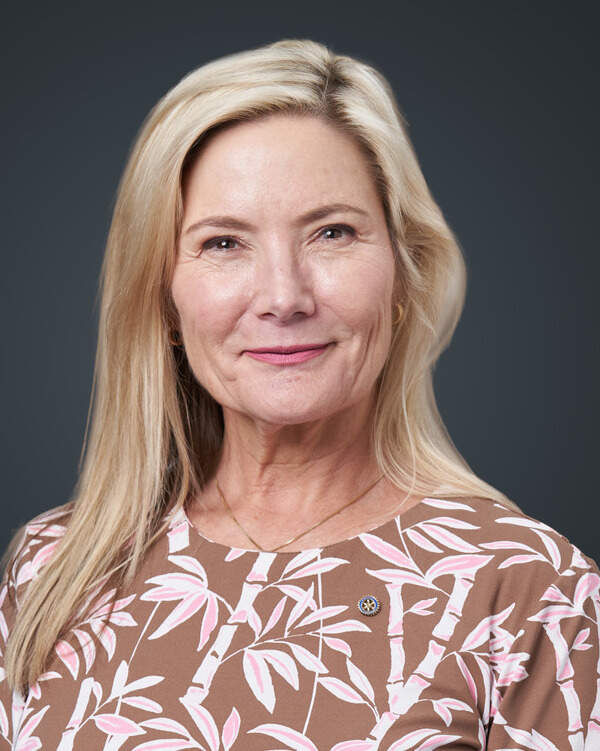
Donna Kline, a senior financial advisor with HBKS Wealth, said the most common mistake is underestimating spending. “One of the main mistakes is people underestimate what they spend,” Kline said. “They think they can live on a certain amount, but they never have. You have to base planning on your current lifestyle.”
Some planners suggest retirees can live on 80% of current spending, Kline said, but that figure is not always realistic. It depends on the lifestyle someone wants in retirement.

Tim Buggy is a certified financial planner with Equitable Advisors. He said many clients fail to plan in detail. “People don’t plan to fail, they fail to plan,” Buggy said. He said the toughest stretch comes later, when people shift from saving money to spending it. “The accumulation phase is easy. You put money in and forget about it. When you get to the distribution phase, everything changes,” he said.
Kline also pointed to a less obvious problem – adult children living off their parents’ support. She recommends parents set clear rules early, such as when to stop paying for a child’s car insurance or cell phone bill.

Time matters more than almost any other factor in retirement savings, Kline said. Starting at 20 instead of 30 makes a tremendous difference because of compounding interest, she said.
Buggy said people roughly five years from retirement can set a realistic target. Those who start late should focus on paying down debt to lower their monthly income needs. “That works well if someone is short,” he said.
For late starters, the IRS allows catch-up contributions to 401(k) and Roth accounts after a certain age. “I would take full advantage of those,” Kline said. “That was designed because people weren’t saving enough.” She added that even a small monthly contribution helps over time.
The old rule of saving $1 million for retirement no longer applies, Kline said. Even $2 million can fall short for someone used to a certain lifestyle. Advisors instead look at how much a retiree needs to withdraw each year to cover expenses. Kline said 3.5% is a withdrawal rate she is comfortable recommending to clients.

Buggy walks clients through the math directly. If a household needs $5,000 a month, and Social Security covers $2,500, the gap is $2,500 a month. That works out to $30,000 a year that must come from savings and other income. He describes the strategy using a farm analogy. Investments that generate income are the milking cow. The nest egg itself is the beef cow reserved for later.
Staying on track requires ongoing math, not a single calculation, Kline said. She said retirees must weigh potential account growth, inflation and how much money they need to withdraw. She recommends checking Social Security statements regularly.
Buggy said Social Security represents about half of retirement income for many of his clients today. Future retirees may need to plan for a smaller share, closer to 35% to 40%. He said the system’s funding pressures could affect payroll taxes and retirement age over time.
Full retirement age is 67 for most people now, Kline said, though it could rise further. Taking benefits early permanently reduces the payout. Waiting until age 70 increases it by 8%, which can matter for a surviving spouse’s benefit.

The two advisors said diversification is essential for weathering inflation and market volatility. Kline recommends including a fixed-income product so basic expenses stay covered no matter what markets do. She also warns against panic selling during downturns. “People get scared. They get rattled and get out of the market. Don’t do that,” she said.
Buggy said some clients turn to immediate annuities when other assets run low. The annuities work similarly to pensions and are based on mortality tables. “The market outpaces inflation, but this has to be money set aside,” he said.

Financial planning is only part of the picture, according to Tim Sechler, an elder law attorney with Sechler Law Firm. He said everyone over 18 – not just retirees – should have power of attorney and a health care directive. “None of us can predict whether we’re going to have a healthcare situation that will incapacitate us,” Sechler said.
Without those documents, families may need to pursue guardianship through the courts, a costly and slow process. “That’s the process we’re trying to avoid,” he said.

Sechler said long-term care planning should begin well before it is needed. Medicaid has a five-year look-back period on asset transfers. He suggests empty nesters consider it once they are no longer financially supporting children.
His advice for approaching all of it is simple. Start the conversations early with a financial advisor and an elder law attorney. “Everybody likes to think they’re invincible,” Sechler said. “Everybody likes to think it’ll never happen to me.”
Insurance products are offered through HBK Sorce Insurance LLC. Investment advisory services are offered through HBK Sorce Advisory LLC, doing business as HBKS Wealth Advisors. NOT FDIC INSURED - NOT BANK GUARANTEED - MAY LOSE VALUE, INCLUDING LOSS OF PRINCIPAL - NOT INSURED BY ANY STATE OR FEDERAL AGENCY.



Comments