


Pittsburgh Nonprofits Fight for Refugees Amid Shifting Climate

On a given weekday in Pittsburgh, a mother who fled violence halfway around the world is learning to ride the bus. A teenager who was born abroad is adjusting to a new school, a new language, and an uncertain future. A family that has lived here for years is suddenly worried about losing the legal status they spent years building. For each of them, a network of local nonprofits is working to make sure they don’t face these challenges alone.
Across the Pittsburgh region, organizations large and small are serving immigrants and refugees with everything from English classes and dental referrals to legal advocacy and community observer patrols. Their work has taken on new urgency as federal immigration enforcement intensifies and policies restrict the arrival of new refugees.
Meeting People Where They Are

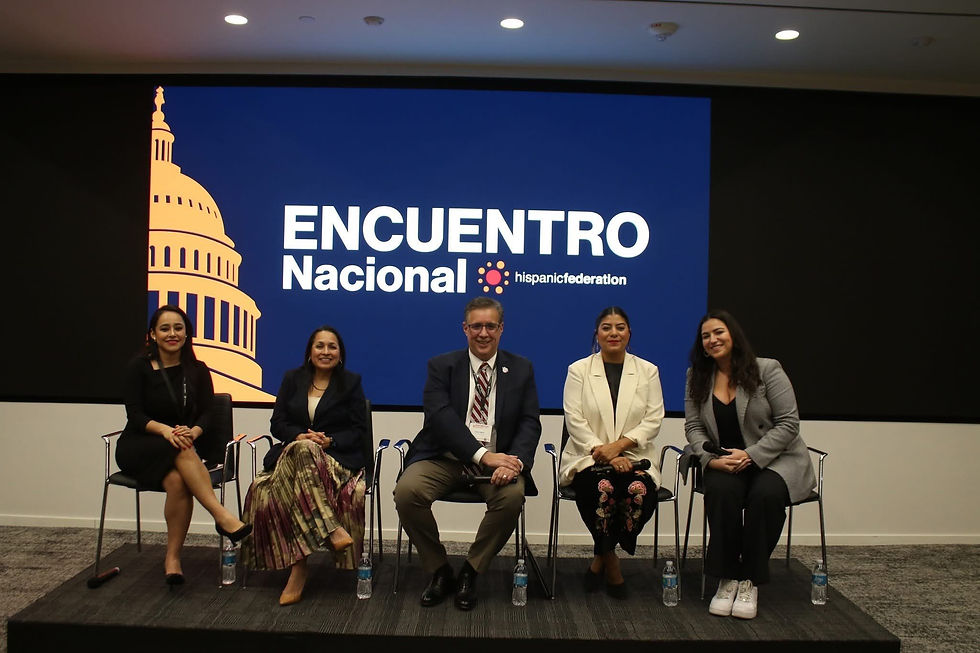
Casa San Jose has long been one of Pittsburgh’s most visible resources for the immigrant community. Executive Director Monica Ruiz said the needs her organization sees have not decreased under the current administration. They have intensified.
“The largest need is accessibility to immigration resources,” Ruiz said, including attorneys, knowing your rights, and advocacy efforts. If a detention or deportation happens, supporting family members left behind becomes the next priority.
Casa San Jose provides case management services for newcomers, walking clients through practical milestones such as registering children for school, learning transit routes, and finding employment. The organization also runs health and wellness programming that connects families to vision and dental clinics, primary care physicians, and mental health referrals. Youth programs offer after-school activities and cultural events. Continuing education offerings cover English as a second language, computer skills, and caregiver training.
Ruiz said the population seeking help has grown more diverse in unexpected ways. Green card holders and longtime residents are now showing up at Casa San Jose’s door, worried their status could change overnight. Meanwhile, the organization sees more women with small children entering the workforce for the first time after making dangerous journeys to reach the United States.
She is also pushing back against common myths. Rather than taking from the local economy, immigrants are contributing to it in measurable ways.
“Contrary to popular belief, these folks don’t qualify for public benefits,” Ruiz said. “The other thing is this narrative that they’re coming here to take, when it’s the exact opposite. They’re coming here to give their labor, their culture. We need population growth. Allegheny County has suffered population loss for the last 50 years.”
Faith Communities Fill the Gaps
For more than three decades, the Sisters of Divine Providence have quietly offered refugee families a home within a home. Sister Carol Stenger has been part of that effort for the past six years, welcoming families to live on the congregation’s property for up to a year while they find employment and permanent housing.
“We’ve always tried to do what we can for refugees,” Stenger said. “We go to their graduations, we go to their birthday parties. Whatever we can do to help them.”
Sisters volunteer as English tutors for parents while children adapt with remarkable speed.
“Within a couple of months, the children become masters of English and do the bulk of translations for their families,” Stenger said.
She praised local school districts, particularly North Allegheny, for the supports they have put in place for newly arrived students.
The congregation funds housing, food, and utilities out of its own resources, without government support. That reality has become more challenging as federal policy changes have all but halted the arrival of new refugee families through official resettlement channels.
“We don’t have a backup system anymore, and we don’t get any more families because the government doesn’t allow anyone to come in anymore,” Stenger said. “We’re sad about that. We wish we could help more.”
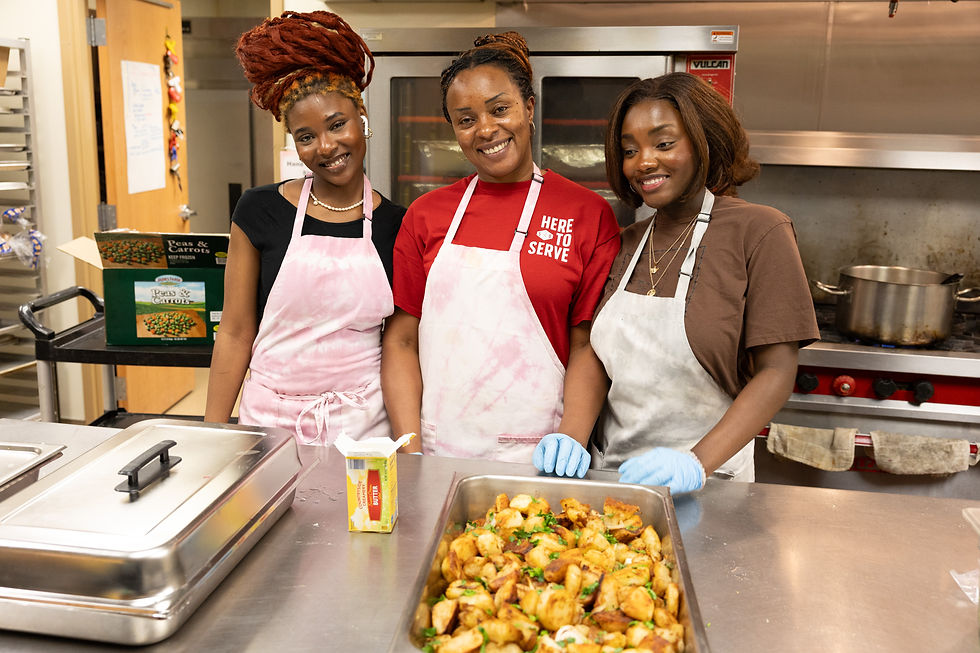
A similar pivot is underway at THRIVEPittsburgh, an ecumenical volunteer group that grew out of North Hills Community Baptist Church in 2018 after a sermon on the Syrian civil war moved congregants to act. Founder Pauline Spring recalled the galvanizing image of a young Syrian boy sitting in the rubble of his home as the driving force to action.
THRIVEPittsburgh volunteers once met newly arrived refugee families at hotels, setting up makeshift kitchens stocked with food and hygiene items while permanent housing was arranged. They later partnered with the Blessing Board to furnish apartments. Today, with few new families entering through resettlement agencies, THRIVEPittsburgh has shifted its focus to refugees and asylum seekers already in the region, helping them source specially requested items for individual families such as baby supplies, appliances, school supplies, children’s clothing, transportation for women and children to medical appointments, affordable dental care, utility assistance, food bank resources, and more.
“We’re finding that our refugees are starting to lose their benefits, and it’s accelerated under this administration,” Spring said. “When they lose their SNAP benefits, they lose a big chunk of their budget.”
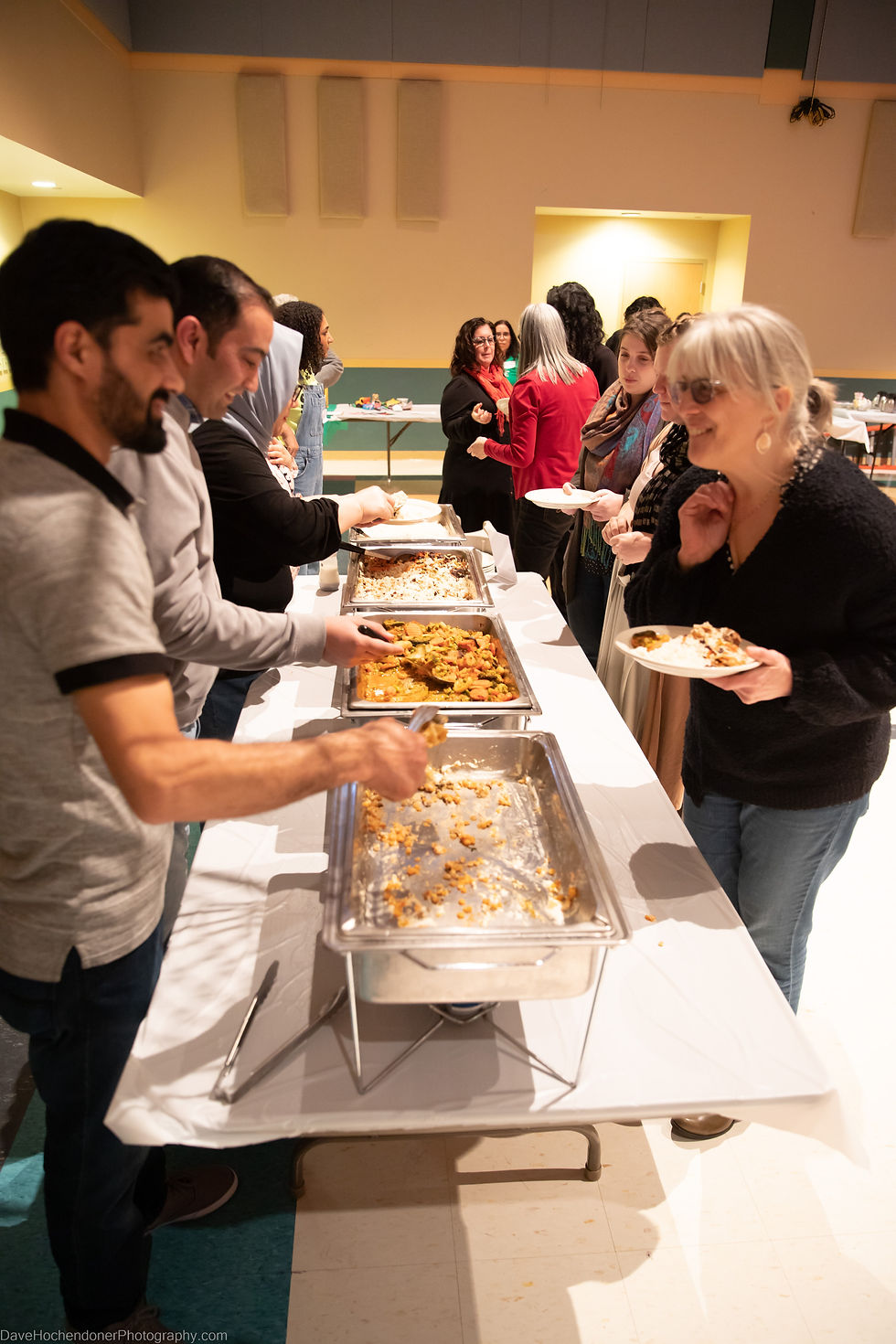
THRIVEPittsburgh’s 30 active volunteers teach English, provide transportation to appointments, and deliver household items. The group’s Supper Club events, which have featured meals from Syria, Afghanistan, Turkmenistan, Cameroon, and Rwanda, bring refugee families and Pittsburgh residents together around a shared table. THRIVEPittsburgh is currently searching for venues to host two upcoming Supper Clubs in the North Hills area.
The group’s THRIVEPittsburgh Drive program connects refugee families with sponsors who purchase items directly from a family’s Amazon wish list.
“It’s just a way to help volunteers have more of a relationship with a family,” Spring said. “If people have some kind of connection with a refugee, they’re more likely to be understanding of what’s going on and why we should be welcoming these folks to our communities.”
A New Kind of Response
The newest organization working in this space was born directly out of crisis. Frontline Dignity launched in November 2025, founded by Jaime Martinez.
“It started in response to increasing immigration enforcement activity across the region and a general misunderstanding about what these issues are and the solutions for them,” Martinez said. “Dignity means treating people as a means unto themselves rather than a means to an end. This goes beyond partisan politics.”
Frontline Dignity is largely volunteer-driven, with more than 1,000 volunteers conducting community observer patrols in their neighborhoods to monitor and document Immigration and Customs Enforcement activity. The organization is active on Instagram, Facebook, and TikTok, where it posts verified reports of enforcement activity.

“Immigrants trust us,” Martinez said. “They know if we post something, it’s something that’s happening and not just a rumor.”
He said sharing accurate, validated information helps put people at ease and keeps the public informed.
Frontline Dignity also serves as a referral funnel, connecting immigrants they encounter with legal and social services offered by other Pittsburgh organizations. Martinez said the group is working to build a more formal legal support framework to meet the demand for immigration attorneys. Community members can call 412-536-6423 to report suspected enforcement activity.
“We don’t want to recreate the wheel,” Martinez said. “Pittsburgh is good at being a good neighbor. We wanted to strengthen the existing ecosystem that serves refugees and immigrants and provide it to other regions across the county.”

Standing Together
These organizations share the belief that Pittsburgh is stronger when it’s welcoming. Each group is adapting to a rapidly changing policy environment while trying to meet needs that are growing faster than resources allow.
“These are beautiful people,” said Sister Stenger. “They deserve to have a good life. We want to help them in every way that we can.”
For Ruiz, the work is also a matter of correcting the record.
“Don’t listen to the negative,” she said. “Think about your own personal interactions with people, even sometimes your own neighbors, and then make those judgments for yourself.”


Comments