


Local Restaurants Introduce Pittsburghers to Global Flavors

In recent years, Pittsburgh has garnered a reputation as a foodie town, with many new and exciting restaurants opening their doors. It is also becoming a destination for restaurants featuring singular world cuisines. In years past, you’d be hard-pressed to find more than a few Latin American restaurants, for example, or an ethnic food restaurant other than Italian, Mexican, Chinese, or Indian. But that is changing, and today, more options than ever abound, originating from many points on the globe.
The Lawrenceville-based Titusz is a brand-new restaurant that specializes in Austrian-Hungarian cuisine. Just opened in April, owner and chef Csilla Thackray, who had worked at various Pittsburgh restaurants such as The Vandal, Legume Bistro, and Bar Marco, was inspired by her travels to Austria and Hungary over the years, as well as by her Hungarian grandmother.
“There’s a lot of interconnectedness stemming from the former Austro-Hungarian empire. The beauty of working with both cuisines is that you can draw from the more refined/imperial style of cooking that Austrians are familiar with as well as the bolder, more communal style of cooking that Hungarians take comfort in. It’s a meat-heavy cuisine, and both place a lot of emphasis on slow processes and their seasonality, which all lends a lovely hand to what Pittsburgh has to offer from an agricultural perspective,” said Thackray.

She added that langos (fried potato bread topped with topfen, goat gouda, and herbs) and chicken paprikash are the most popular menu items thus far. For guests to truly understand this type of cuisine, Thackray said she’d recommend their house-made Liptauer cheese spread, pickles, and stuffed cabbage. She is looking forward to introducing her personal favorite dish, meggyleves, which is a chilled sour cherry soup.
“My grandmother was from Hungary, but her mother was Austrian, so she brought both cultures into our lives. To oversimplify, Austrian culture is very reserved, balanced, and elegant, whereas Hungarian culture is more expressive, familial, and independent. It’s really a beautiful thing to experience the two combined,” said Thackray.
Another Lawrenceville restaurant, Cilantro & Ajo, features Venezuelan street food, a unique concept for Pittsburgh. In addition to a food truck, Cilantro & Ajo also has a location on the South Side, which opened first, in 2018.
“There wasn’t a traditional Venezuelan restaurant in the city, and I wanted to bring those flavors to Pittsburgh. I have a background in the restaurant industry from my home country, along with an international chef degree,” said Owner Maryln Parra.
Parra said that the food reflects the culture, which she’d describe as warm and colorful.

“Venezuelan cuisine is rooted in tradition, bold flavors, and fresh ingredients. Staples include arepas and corn empanadas, as well as pabellón, which is considered the traditional dish of Venezuela. Some of our most popular items include the Pabellón bowl, empanadas, patacones, and yuca fries,” said Parra, adding that for newcomers to Venezuelan cuisine, arepas (grilled corn patties) are a must-try, as they are iconic and versatile. And at Cilantro & Ajo, patrons can create their own arepas or order a more traditional one from the menu.
For Parra, a personal favorite is the arroz con pollo, featured on their catering menu.
“It’s a yellow rice with chicken and Latin flavors, and it was a staple in my grandmother’s home. Her recipe was always made in large portions, enough to feed 10 to 15 family members, which makes it very special to me,” she said.

Paris 66 Bistro is one of only two French restaurants in Pittsburgh and, after 17 years in business, is still going strong. Situated in a building at the intersection of Shadyside and East Liberty, Paris 66 has regular customers who drive in from neighboring states to experience a genuine French feast.
Owner Frédéric Rongier is a Paris native who worked in his family’s restaurant while growing up. He moved to the U.S. with his American-born wife in 1999, the two having met at Penn State.
When asked what defines French cuisine, Rongier responded, “Butter, butter, butter, butter, and more garlic. And sauce. And the quality of food. The sauce is what I will say changes everything. You have to know your sauce; you have to create sauce.”
Though the menu changes often to keep things fresh and surprising, there are two items that will never be replaced: Escargots Bourguignon (snails in garlic, parsley, and butter) and the Paris 66 Soupe a l’Oignon (French onion soup). Another highly popular item is the Foie de Veau aux Oignons (calf liver with caramelized onions and balsamic vinegar), as well as the Steak Frites, made with freshly peeled potatoes. In fact, everything at the restaurant is made fresh to order, nothing is frozen, and everything is from scratch.
Paris 66 also has a Sunday brunch featuring galettes (savory buckwheat crepes) and many other items, including homemade pastries. In fact, two French bakeries in Pittsburgh originated from Paris 66 pastry chefs: Rongier partnered with his former pastry chef, David Piquard, to open the French bakery, Gaby et Jules, while a previous Paris 66 sous chef opened La Gourmandine.
Make no mistake: Paris 66 is not just French in name only.
“There’s a lot of French history in Pittsburgh. Pittsburghers come to Paris 66 because they want to experience something different. We are an authentic French restaurant, and Pittsburghers have the best of France in Pittsburgh,” said Rongier.

Last year, after only being in business for a few months, Milanes Mobile, a food truck serving Cuban food, won second place in a contest sponsored by Pittsburgh Magazine. A year later, the owners, Carlos and Collyn Milanes, with the help of the nonprofit Food21 and McKees Rocks Community Development Corporation, opened a brick-and-mortar restaurant called Milanes Cuban Corner in McKees Rocks as a way to help revitalize the community.
Carlos Milanes grew up in Florida, with vivid memories of the aroma of his mom’s Cuban cooking filling his nostrils every day before school, so it was only natural that he gravitated toward Cuban food for his restaurant.
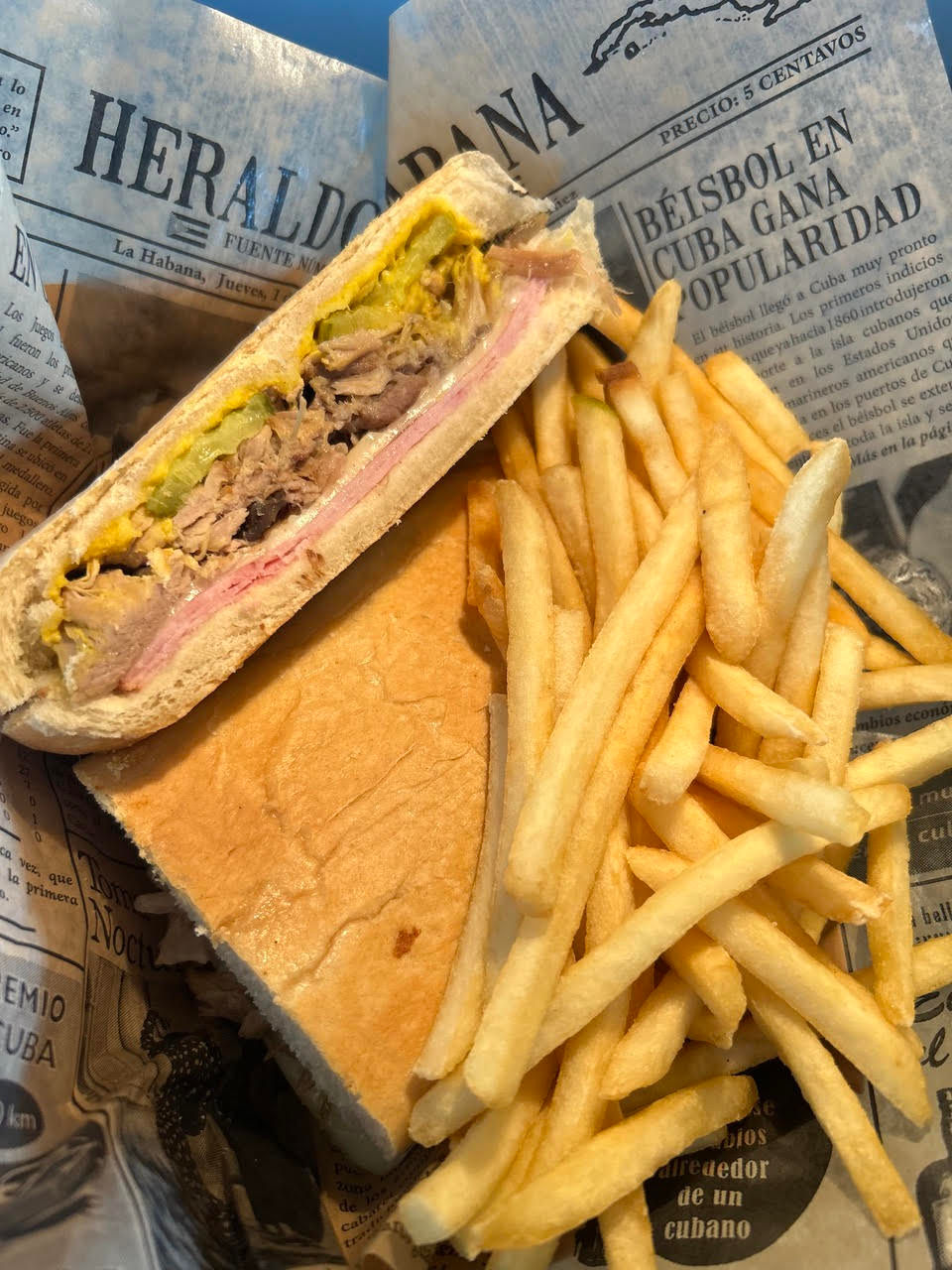
“One of our most authentic dishes is the Cuban sandwich — my wife makes Cuban bread; I slow-roast Cuban pork. It’s made with ham, Swiss, pork, pickles, and mustard,” he said.
Milanes explained that Cuban bread is soft in the middle with a thin crust.
Another traditional Cuban dish on the menu, and a quite popular one, is empanadas.
“I can’t keep up with the demand,” he said.
The menu also features bowls based on traditional Cuban meals, but with their own twist.
“Milanes Imperial is our newest dish and most popular: yellow rice, queso, shredded chicken on top, homemade garlic sauce, and cilantro, and we put that with black beans and fried plantains.”
Milanes’ wife is in charge of the dessert menu, creating special tres leches dishes, including a beloved espresso version.
Milanes said it was a little intimidating to be one of the first, if not the only, Cuban restaurants in town, but the community has greatly supported them, and they get a lot of accolades from Cuban people and people who were raised on Cuban food in Florida.
He is happy to share his Cuban heritage with Pittsburgh.
“Whenever I visit Florida, the first thing we do is go straight to a Cuban bakery. We miss it so much, we know how it should taste, and we know it will translate well in the restaurant. It’s a real homey food, a soul food.”


I’ve been meaning to plan a trip to Pittsburgh just to eat my way through these incredible new spots. I was looking at flights last weekend and randomly came across delta airlines reviews while comparing my options. Honestly, reading about Titusz and that chilled sour cherry soup made me want to book immediately. I love when a city surprises you with flavors you don’t expect. My weekend is already mapped out: arepas for lunch, a Cuban sandwich for dinner, and maybe that French onion soup on Sunday brunch.